Solids Control Dewatering

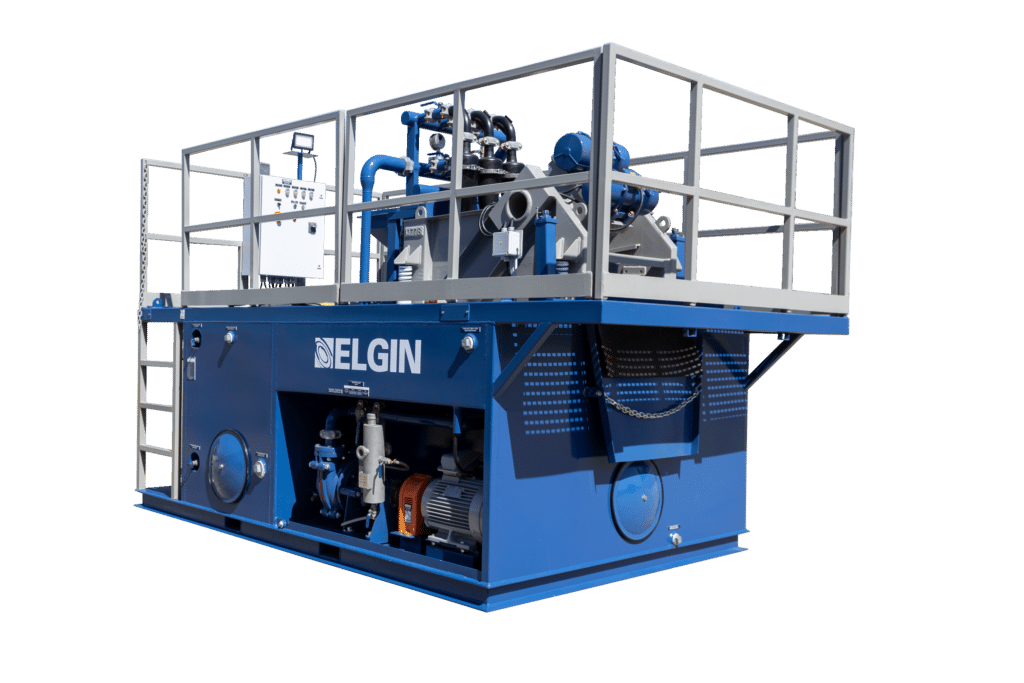
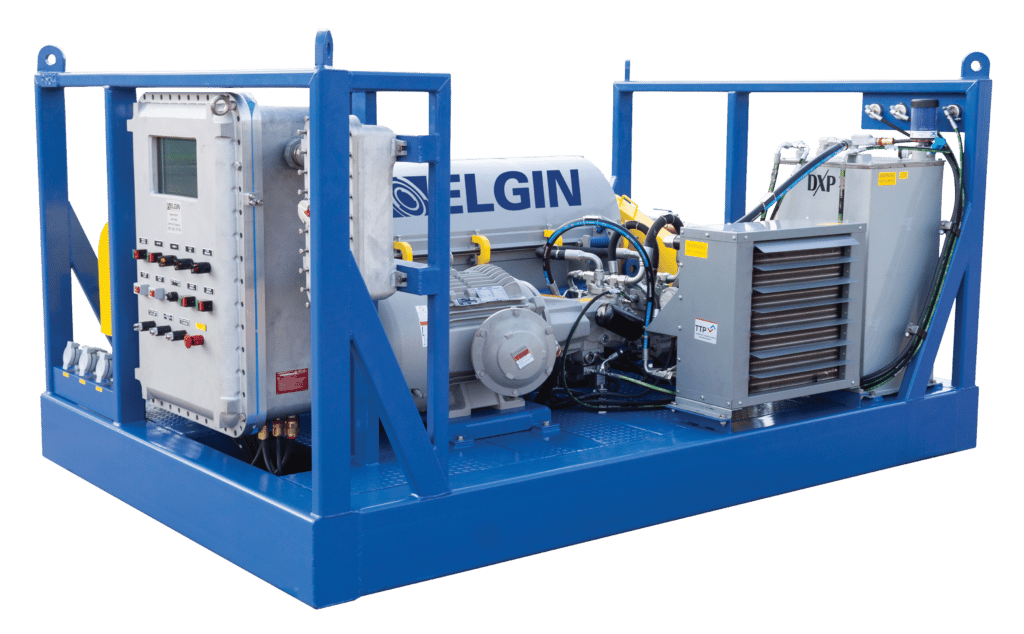
KEMTRON provides a host of customized dewatering units designed to provide optimum performance when combined with KEMTRON’s proprietary dewatering polymers.  Each unit can be driven by a sophisticated Human Machine Interface control system and provide the operator with the most efficient means of reclaiming water or oil from drilling fluid waste.

Dewatering systems enable water to be reclaimed from waste drilling fluid and subsequently combined with unused or recirculated drilling fluid being pumped down the drill pipe and returned to the surface. Using reclaimed water to maintain volume and conditioning of the drilling fluid prior to being recirculated down hole reduces the costs associated with transporting clean water to the well site for such purposes. After water is separated from waste drilling fluid, the remaining solid waste is smaller in volume and lighter in weight, as compared to that of the waste drilling fluid prior to dewatering, and can be transported from the well site and disposed of at significantly less expense.

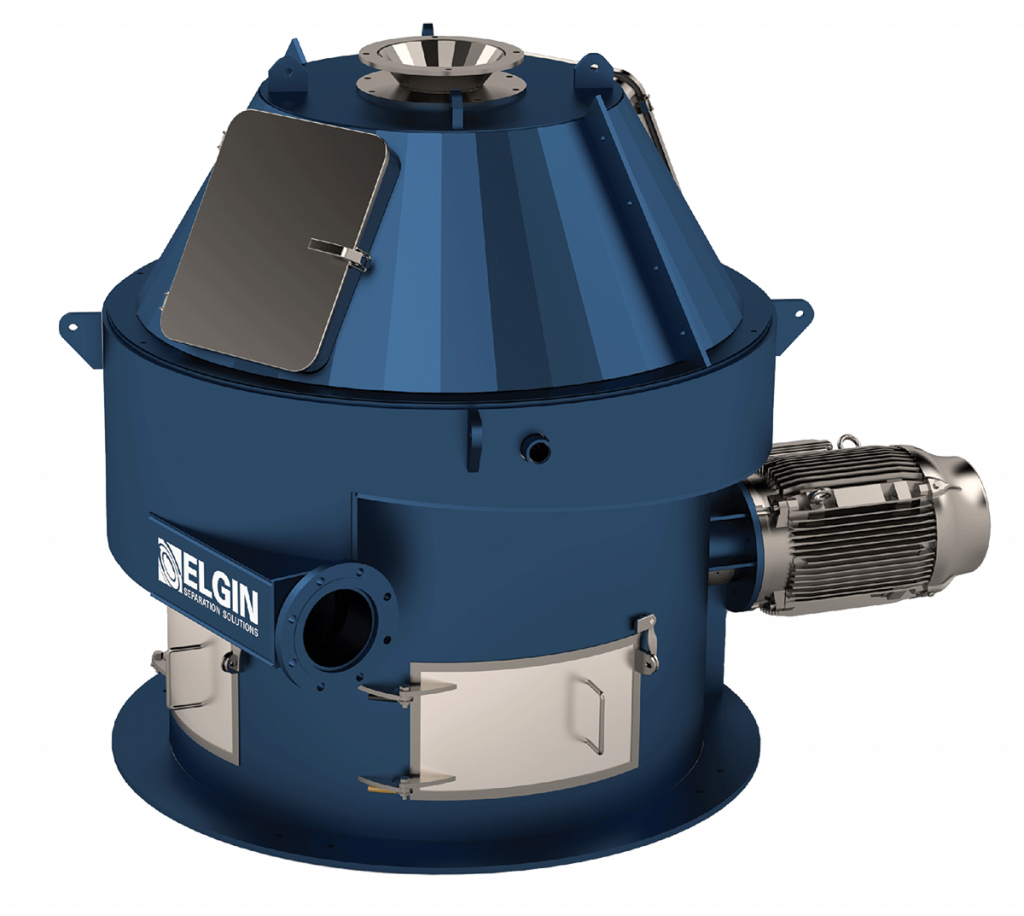
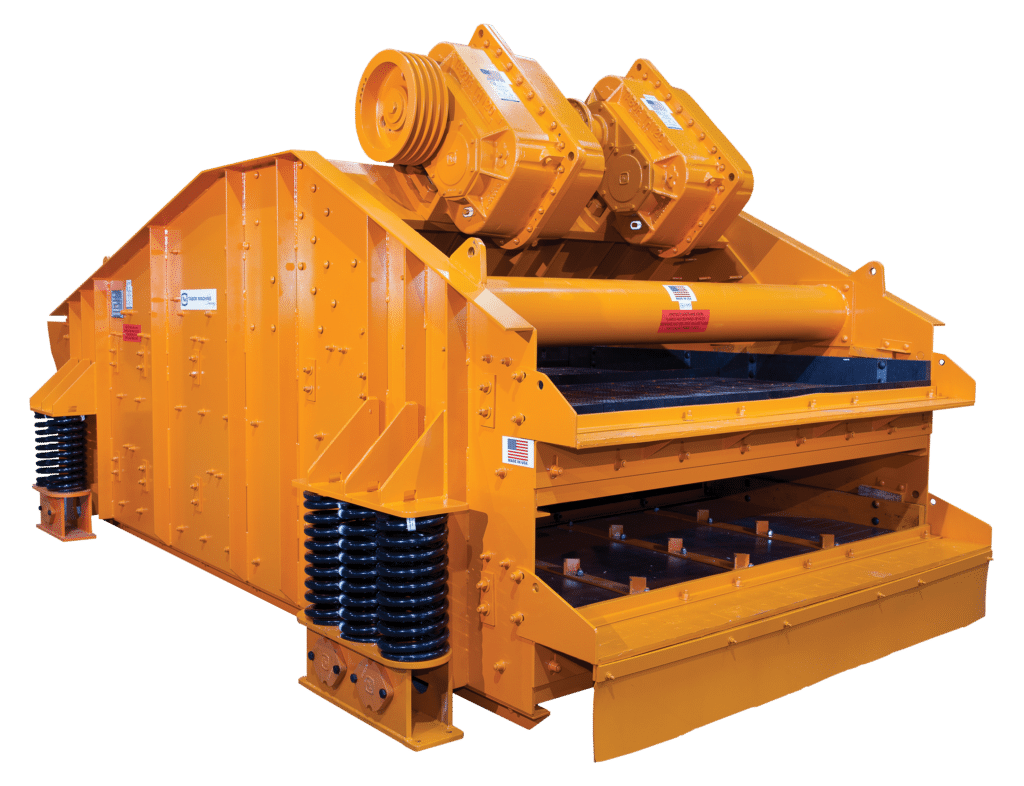
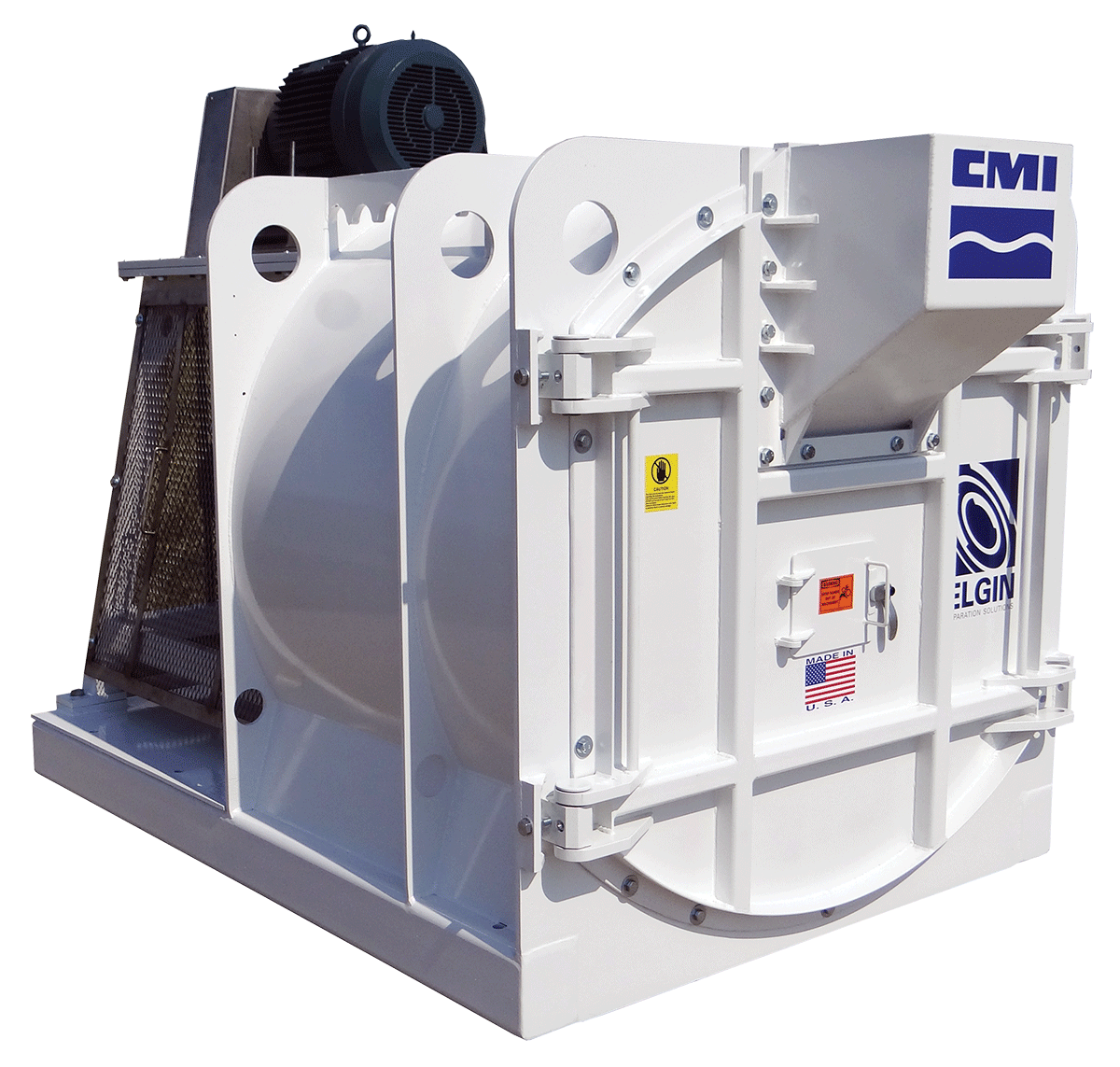
Conventional dewatering systems deliver waste drilling fluid through a linear motion shaker, a desander and desilter hydrocyclone, and a decanter centrifuge. The waste drilling fluid initially passes through the linear motion shale shaker, which is capable of handling 100% of the mud pump flow while removing coarse sized solid particles between 320 to 75 microns, depending upon the screen mesh size being used. The drilling fluid then passes through the desander and desilter hydrocyclone for further removal of fine and silt sized drill solid particles, ranging in size between 20 to 74 micron, at a process rate of approximately 110% of the mud pump flow rate. Finally, the fluids are processed by a high speed solids control decanter centrifuge to remove ultrafine drill solid particles greater than 5 micron at an average process rate of approximately 20% of the mud pump flow rate.

Studies have shown that the lower the colloidal content in a water-based drilling fluid, for example, fluids having particulates having sizes less than 2 microns, the faster the drill bit rate of penetration (ROP). Minimizing colloidal solids lowers the plastic viscosity of drilling fluid, contributing to greater horsepower at the bit. However, removing colloidal solids becomes difficult if not impossible, if they are allowed to accumulate and further degrade when continuously recirculated in the drilling fluid. Colloidal solids may be removed from the drilling fluid waste by particle charge destabilization with a high cationic charged/low molecular weight polymer and aggregated together to form a “Hard Floc” with the addition of a varying anionic charged/high molecular weight polymer. Visit our Polymers product page to learn more about our performance chemicals.


KEMTRON 20' Containerized HMI Dewatering Units


Select Floc™ Polymer Conditioning Systems
Privacy Statement Terms Of Use